
Spin the wheel — everyone wins 3 free months (ends Sunday)
The banks put $4.77 trillion on one bet. Here are the receipts.
Tomorrow morning: CPI + bank earnings, same hour. Your four numbers are ready.
Four cracks this week. One free dashboard that caught all of them

The 3 Safest Places for Your Cash Right Now (2026)
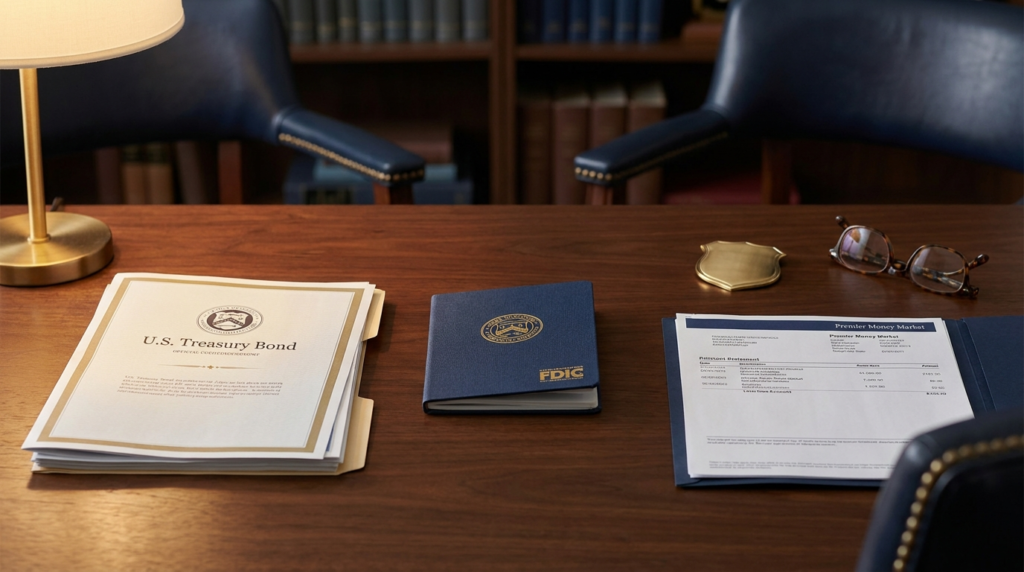
No risk, no drama — just keep your cash intact and earning ~4%. Here are the 3 safest places for your money in 2026, ranked by safety.
What Is a Home Equity Agreement (HEA)? What It Really Costs You

No payments, no interest — but you give up a share of your home value. Here is what a home equity agreement really costs, and when it makes sense.
When Will the Housing Market Crash? Decoding the 2026 Cycle
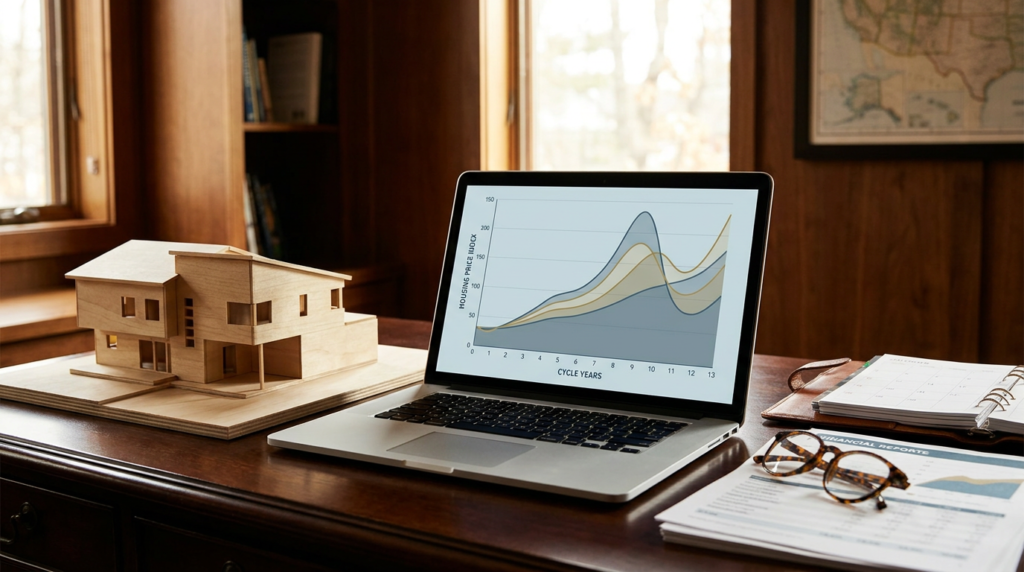
A 2008-style collapse is unlikely in 2026, but cooling is possible. Here is the decode of what actually moves housing — and how to win either way.
Should You Use a HELOC to Pay Off Your Mortgage? (The Honest Math)
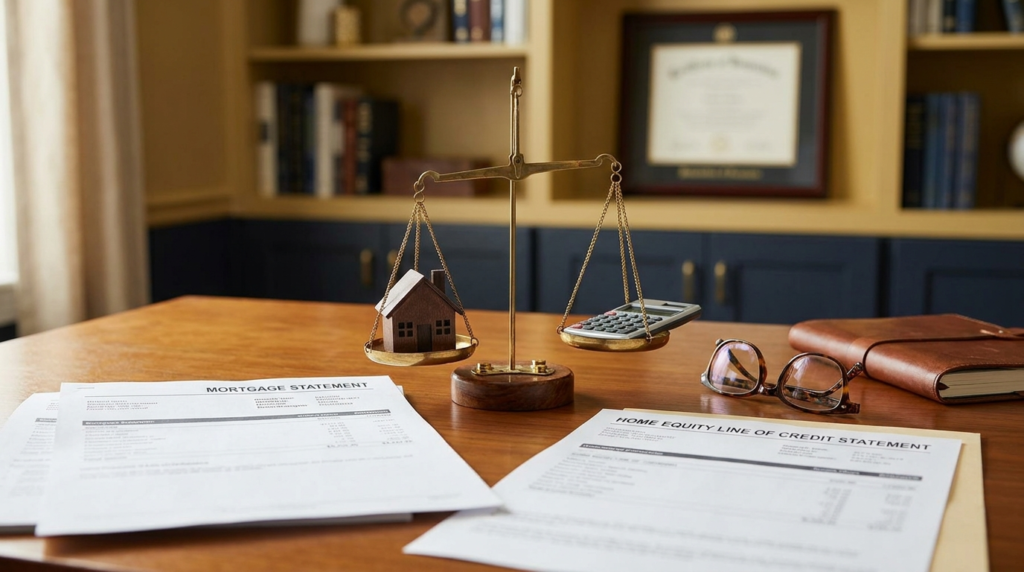
The velocity-banking pitch sounds clever, but with a low-rate mortgage the math works against you. Here is the honest breakdown and what to do instead.
How Much Gold Should I Own? The Honest Answer for Savers in 2026

For most savers, 5-10% of your portfolio — enough to hedge, not gamble. Here is why that range, and the smart way to own gold and silver.
Sound Money You Can Actually Save In: How to Protect Your Savings From Inflation
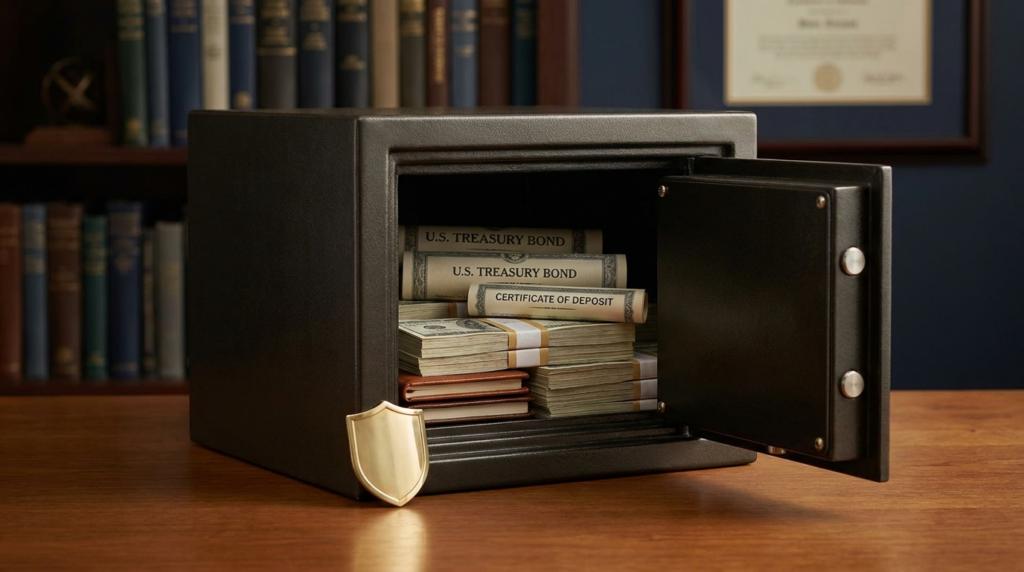
You do not need crypto or stocks to keep your money’s value. Here are 4 boring, reliable tools that protect your savings from inflation.
How Much Cash Should I Keep in Retirement? The 1-3 Year Rule

One to three years of spending — usually $50K to $150K. Here is how to size your cash buffer, where to keep it, and how to refill it in good years.